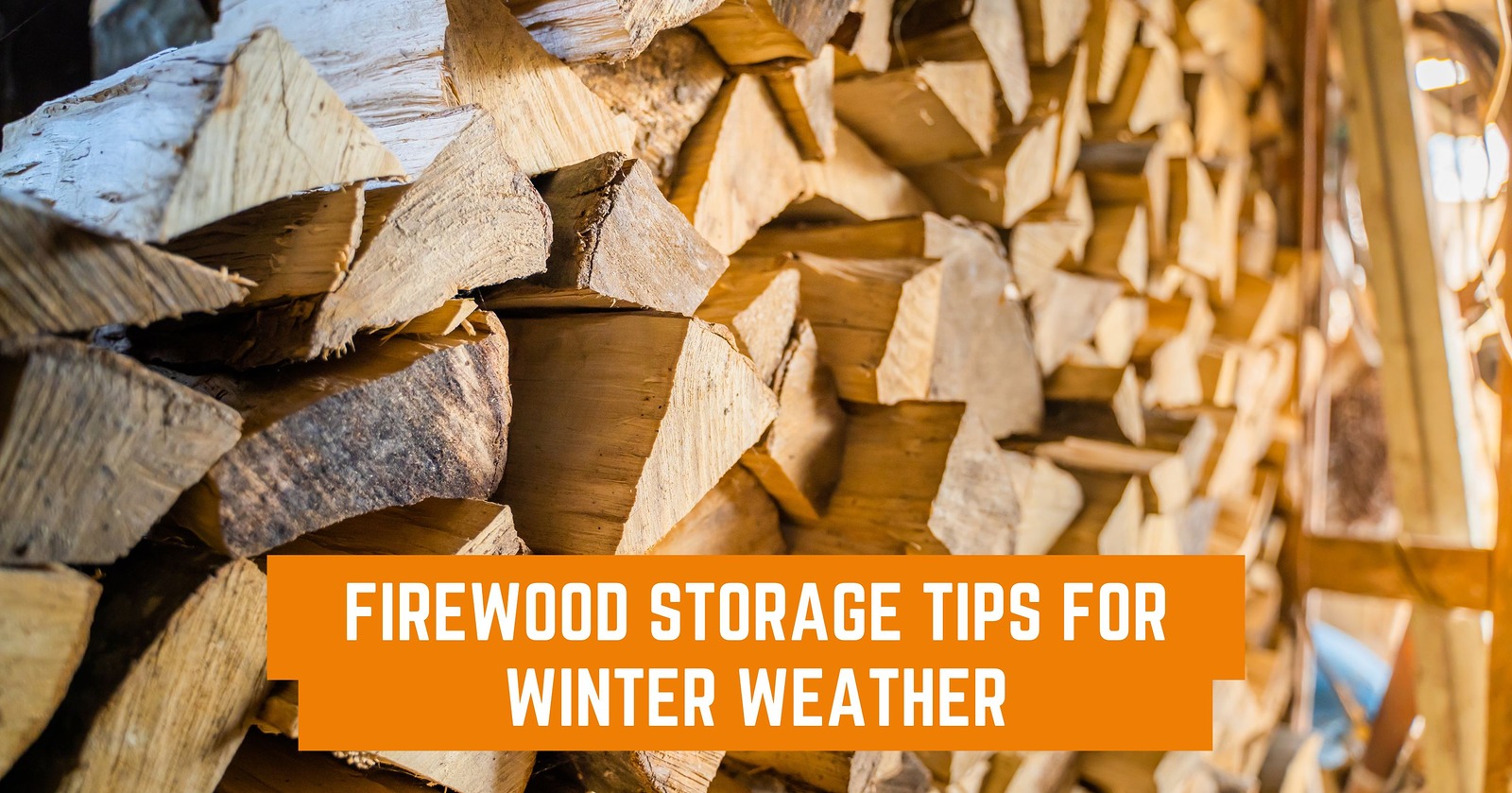
Ah, winter. The season of cosy nights by the fire, sipping hot cocoa, and pretending you’re not secretly counting the days until spring. But before you can enjoy that toasty warmth, there’s one thing you need to get right: firewood storage for your loose softwood logs. Nothing ruins a perfect winter evening like struggling to light wet wood or realising your firewood is more of a soggy mess than a crackling blaze. So, before the snow falls and the temperatures plummet, let’s make sure your firewood logs are stored properly.
Choose the Right Location for Storage
The location where you store your firewood plays a significant role in keeping it dry and ready for use. Ideally, you want to store your firewood in a place that allows air circulation while protecting it from rain, snow, and damp conditions.
- Covered Outdoor Storage: If you don’t have access to an indoor storage space, consider using a covered outdoor area, such as a shed, tarp, or custom-built firewood rack. This will protect your wood from the elements, but still allow air to circulate around it.
- Elevated Storage: Avoid storing firewood directly on the ground. Wet soil can draw moisture into the wood, which will make it harder to burn. Instead, stack your wood on pallets, wood racks, or bricks to elevate it and prevent contact with the ground.
- Proximity to the House: It’s convenient to store your firewood near your home, but keep it at least 3-5 feet away from the house or any other structure. This minimises the risk of pests, such as termites or ants, and reduces the likelihood of fire spreading in case of an accidental spark.
2. Stack Firewood Properly
How you stack your firewood is just as important as where you store it. Proper stacking allows for better airflow, which is essential for the drying process. It also makes it easier to grab logs when needed.
- Log Placement: Stack the firewood in a crisscross or “log cabin” style, where each layer alternates direction. This creates gaps for air to circulate through the stack, which promotes quicker drying and better seasoning of the wood.
- Leave Gaps Between Logs: Don’t stack your wood too tightly. Leaving gaps between the logs allows air to flow and reduces the risk of moisture buildup.
- Split Wood for Faster Drying: If you’re storing fresh-cut wood, consider splitting it into smaller pieces before stacking. Smaller pieces dry more quickly and are easier to handle. Split wood also burns more efficiently than whole logs.
If you’d rather skip the hassle of stacking firewood, we offer a stacking service for just £15 per bag to make things easier for you.
3. Cover the Top, Not the Sides
While protecting your firewood from rain and snow is important, covering the sides of your stack can trap moisture. Instead, cover only the top of your firewood pile with a tarp or cover. This will protect the logs from rain and snow while still allowing air to flow through the sides.
- Tarp: If you use a tarp to cover your firewood, make sure it’s securely tied down to prevent wind from blowing it off. Choose a breathable tarp or cover to allow moisture to escape, preventing mould growth.
- Wooden or Metal Covers: A simple, open-sided wooden shed or metal cover with a slanted roof is ideal. It shields the wood from the top while leaving the sides open to ventilation.
4. Keep Firewood Away from Moisture
Firewood can easily absorb moisture from snow, rain, or damp ground. If your firewood becomes wet, it may take longer to dry and be difficult to burn.
- Use a Rain Guard: If you don’t have a shed or covered structure to store your wood, consider using a waterproof tarp or firewood storage container. Just make sure it is raised off the ground to avoid trapping moisture.
- Avoid Storing in Damp Areas: Keep your firewood away from areas with high humidity or dampness, like basements, crawl spaces, or areas that collect water runoff. Storing wood in these areas increases the chance of mould or mildew growth.
5. Pest Control
Firewood can attract insects like termites, ants, or even rodents. To prevent pests from invading your firewood stack and your home, take some basic precautions.
- Inspect Wood Before Bringing It Inside: Before bringing firewood indoors, inspect it for pests. Look for visible insects or signs of infestation. Bringing infested wood inside can lead to pest problems in your home.
- Store Firewood Off the Ground: As mentioned earlier, storing firewood on pallets or racks keeps the wood off the ground, which helps to deter pests from nesting in your woodpile.
6. Consider Indoor Firewood Storage
If you burn wood frequently and have enough space indoors, you might want to consider creating an indoor firewood storage area. Having firewood stored inside makes it more convenient during cold weather, but make sure the space is dry and well-ventilated.
- Use a Wood Basket or Rack: A decorative wood basket or a small rack near your fireplace can hold a few logs at a time, making it easy to load the fire without going outside.
- Indoor Storage Location: If storing larger quantities indoors, choose a dry, cool area like a garage or basement. Avoid storing firewood in rooms that are prone to excess moisture, like bathrooms or laundry rooms.
If you’re ready to stock up on firewood or need help with storage solutions, don’t hesitate to reach out to us today. Stay warm and safe this winter!